
Ways to travel
Photography and filming safaris
Time, light and the right gear, with kit available to hire
- Suits
- Keen amateurs to professionals, film crews
- Vehicle
- Pop-up roof, charging sockets, bean bags
- Best time
- Jul – Oct for the migration; all year for cats
- Kit
- Bodies, long lenses and bean bags on request
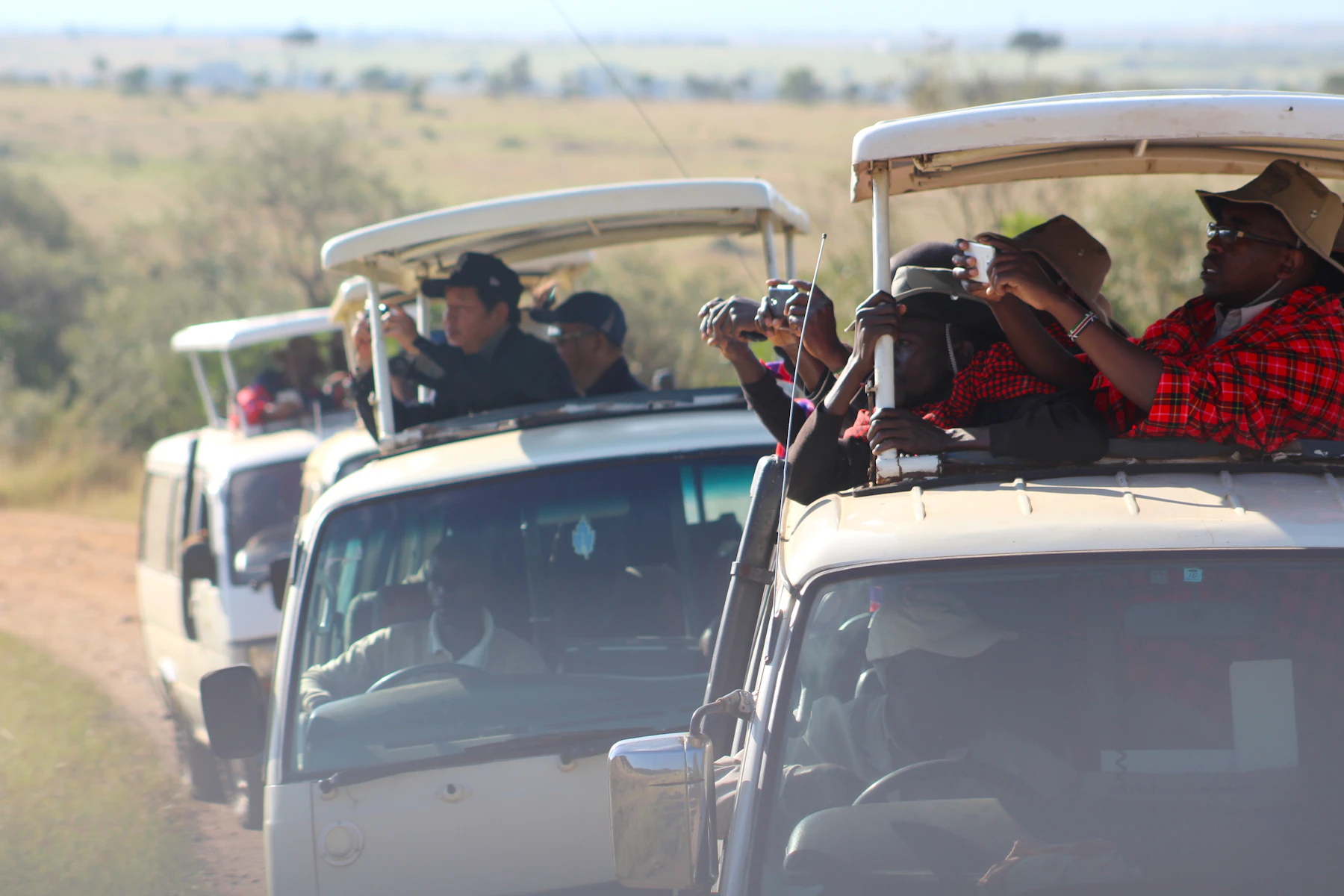
On a shared game drive you move on when the vehicle does. On a photography safari you stay with the leopard until it comes down the tree, and you are in position before the sun clears the horizon.
Every Zawame safari is private, so the day runs to the light. Our guides know how to angle the vehicle for a clean background and when to switch the engine off. If you would rather not fly with long lenses, we can arrange camera equipment for the trip.
Built around the light
The best hour on safari is the first one, and the second best is the last. We plan the day so you are already out when the sun comes up, with a packed breakfast in the vehicle, and still out when it goes down. The middle of the day is for editing, backing up and sleeping.
Your guide will ask what you are after, whether that is cats on the move, river crossings, birds in flight or environmental portraits, and will position the vehicle with the sun behind you and a clean background where the animals allow.
Equipment and filming
If you would rather not fly with a 600mm lens, we can arrange camera bodies, telephoto lenses and bean bags for the trip. Tell us what system you shoot so the kit matches your batteries and cards.
For film and documentary crews we help with Kenya Wildlife Service and Tanzanian park filming permits, extra vehicles for kit and crew, generators at remote camps and a fixer who knows the parks. Allow several weeks for permits.
What we arrange
- Camera bodies, long lenses and bean bags available on request
- Out before sunrise and back after sunset, with packed breakfasts so you don't lose the light
- A vehicle with a pop-up roof and charging sockets for batteries
- Guides who understand light, background and patience
- Filming crews: help with park filming permits, extra vehicles and logistics
A sample photography day
- 5:45
Coffee and out the gate as it opens, breakfast packed in the vehicle.
- 6:30
Golden hour on the plains: the cats are still active and the light is low.
- 10:30
Back to camp to back up cards, charge batteries and rest.
- 15:30
Out again, often staying with one sighting for as long as it takes.
- 18:45
Last light, then back to camp as the park closes.
Routes to build on
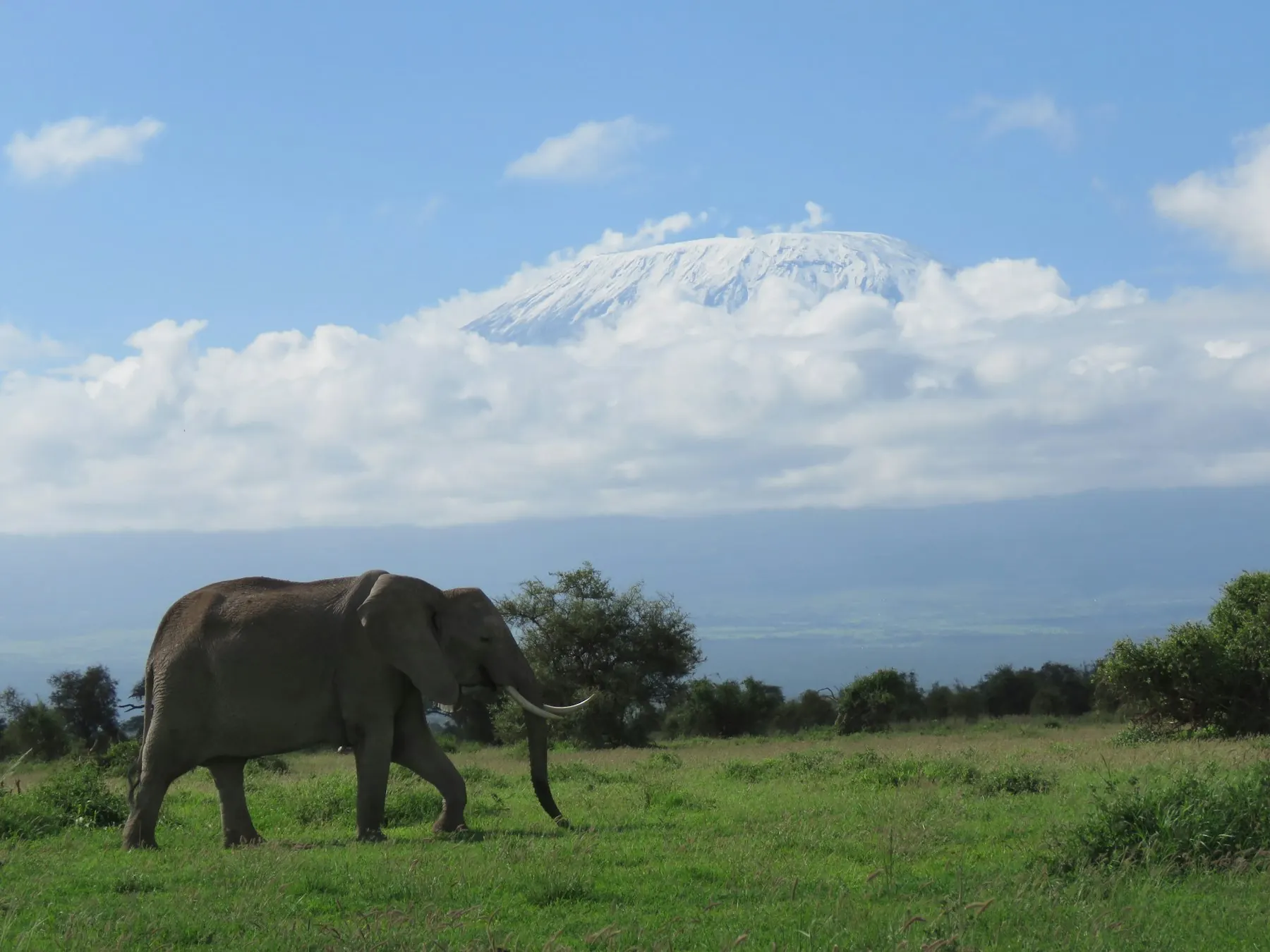
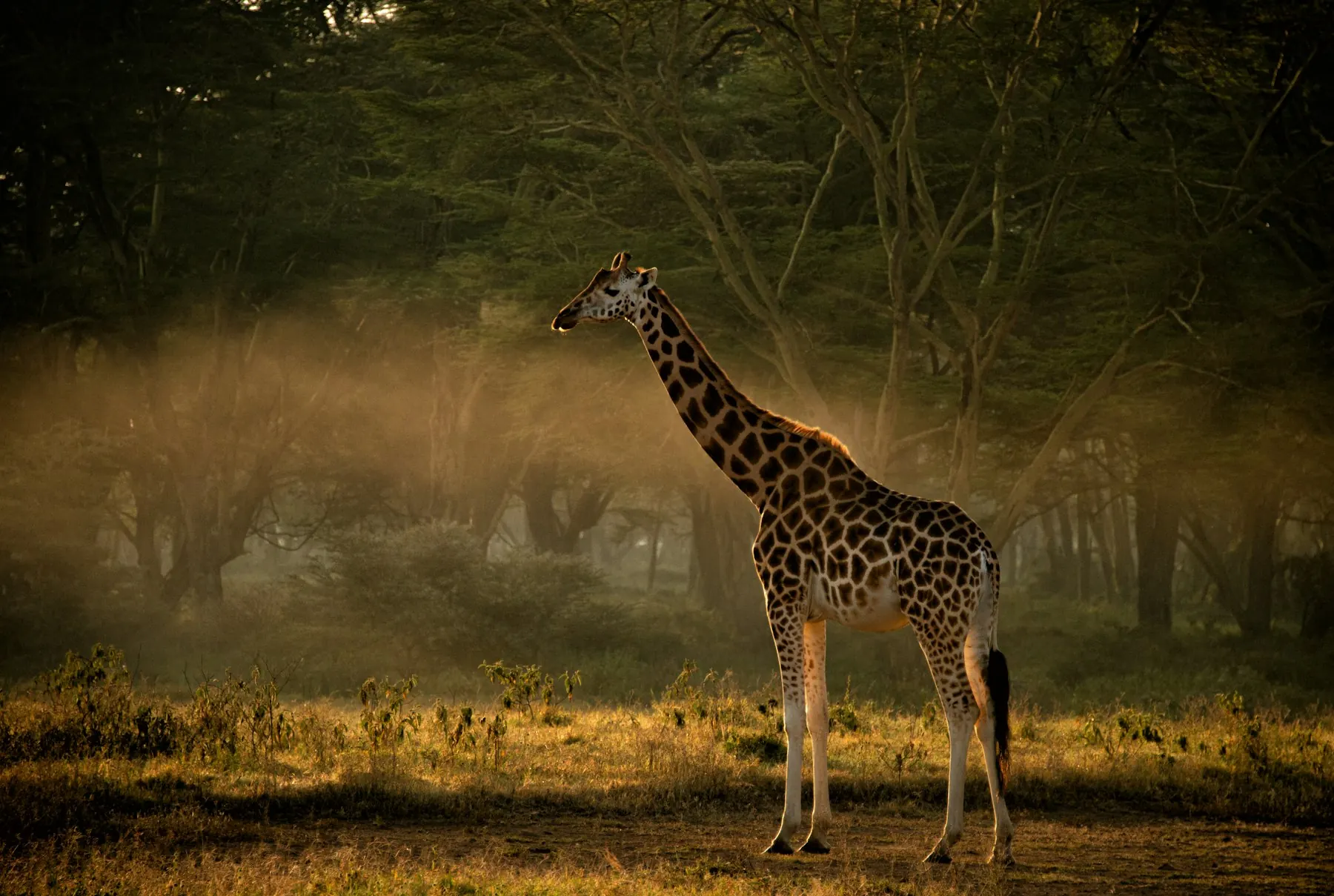
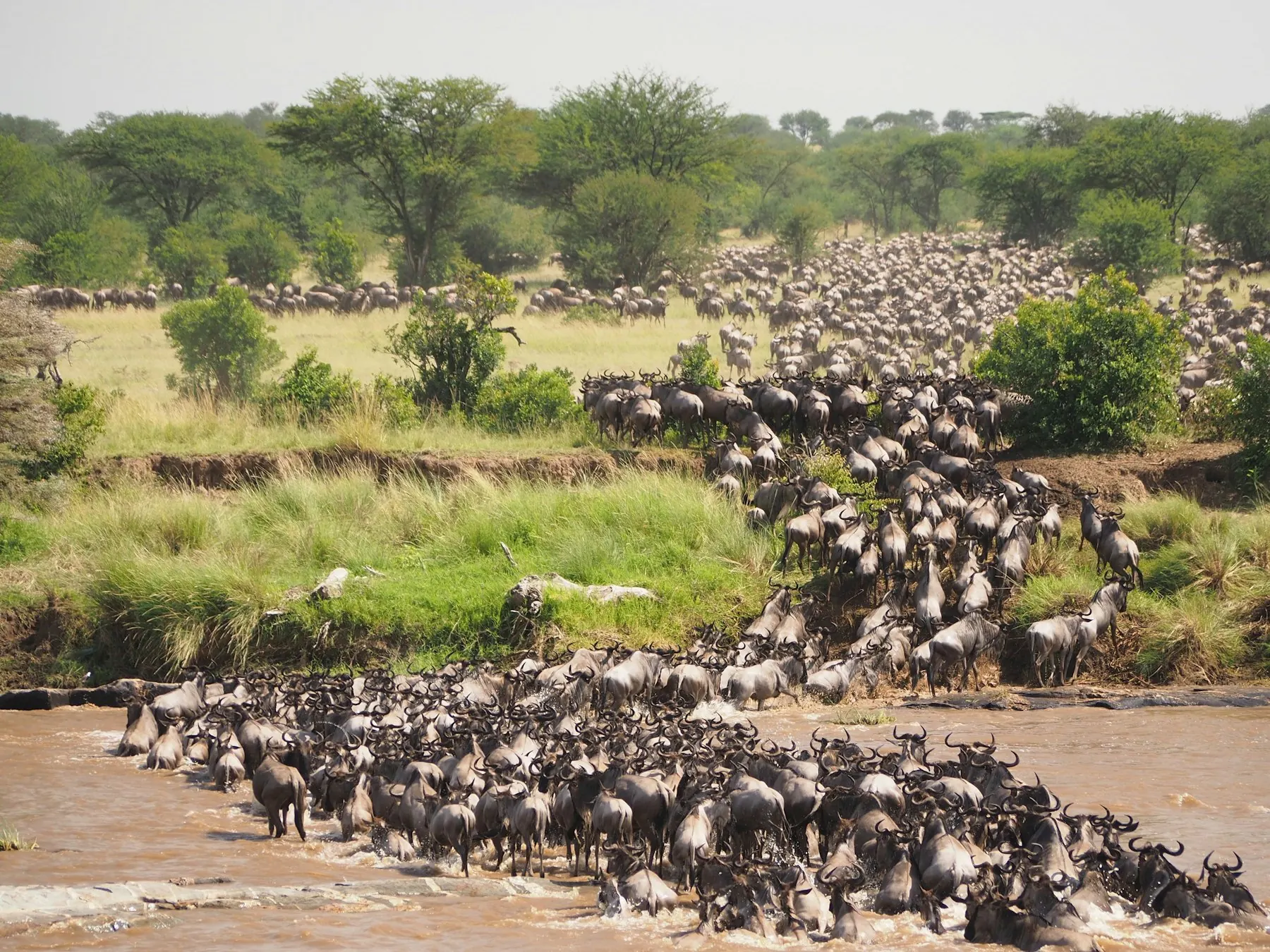
Our existing itineraries, ready to adapt. Tell us which appeals and we'll tailor it to you.
Good to know
What equipment can you provide?
Tell us what you shoot with and we will confirm what can be arranged for your dates, from long lenses and bodies to bean bags and window mounts. Book early in migration season.
Do I need a permit to film?
Personal photography and video need no permit. Commercial filming in Kenyan and Tanzanian parks does, and we help crews apply and plan around the conditions.
Can I fly a drone?
Not in the national parks and reserves. Drones are prohibited there without special permission, which is rarely given to visitors. Outside the parks Kenya requires drone registration with the civil aviation authority.
What lens should I bring?
A 100–400mm or similar zoom covers most of what you will see. A wider lens is worth having for landscapes and the vehicle-and-animal shots. A bean bag is more useful than a tripod in a vehicle.
Tell us when you can travel. We'll do the rest.
Send your dates and a rough idea of what you want to see. We come back with a day-by-day route and a quote, usually within one working day.